The mechanic: chromatic restoration
You push red, green and blue channels around to bring color back to washed-out scenes. Each tweak updates the image instantly. What you see is what you're controlling—nothing between you and the result.
Restore. Breathe. Keep going.
What if you stopped trying to win and actually paid attention instead? That's what Vividgarden is about. The game uses chromatic restoration—you bring color back to desaturated environments in real time. No timers hanging over your head, no score counter, no judgment. The gray landscapes, objects, and scenes slowly come alive as you work through them, and you control the speed. It sits somewhere between meditation and craft. Built for people burned out from chasing points and for casual players who just want to feel calm when they play.

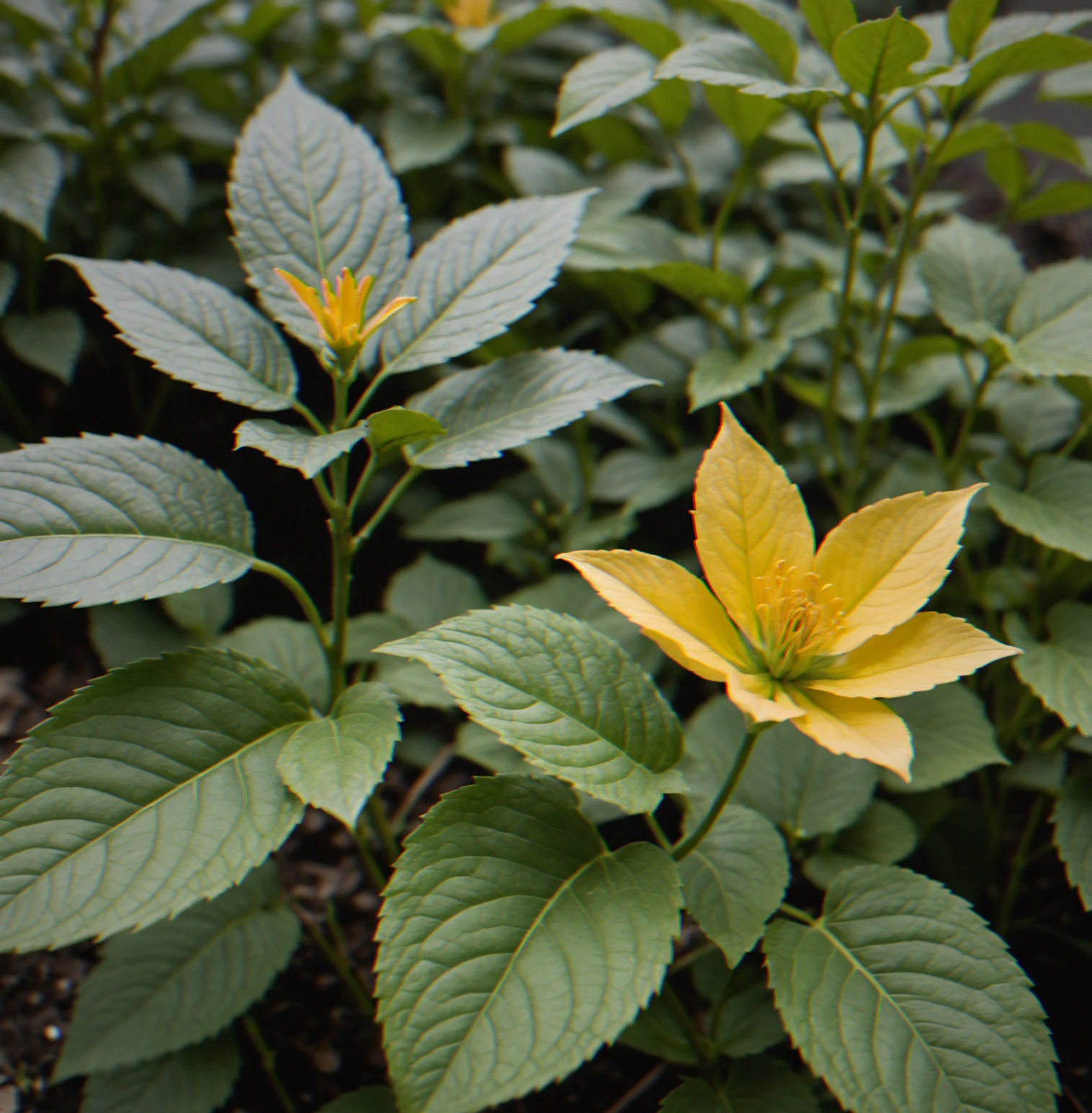
You're working with red, green, and blue channels in real-time to bring color back to desaturated scenes. This isn't tile-swapping or pattern-matching—there's no grid to clear, no cascading animations. It's just you, the channels, and that slow, quiet satisfaction of watching gray turn vivid.

Ever wonder what it's like to play without pressure hanging over you? Now you get to find out. A puzzle might take two minutes or twenty—doesn't matter. There's no leaderboard, no push notification reminding you that you're slipping behind, nothing measuring your performance against anyone else's.
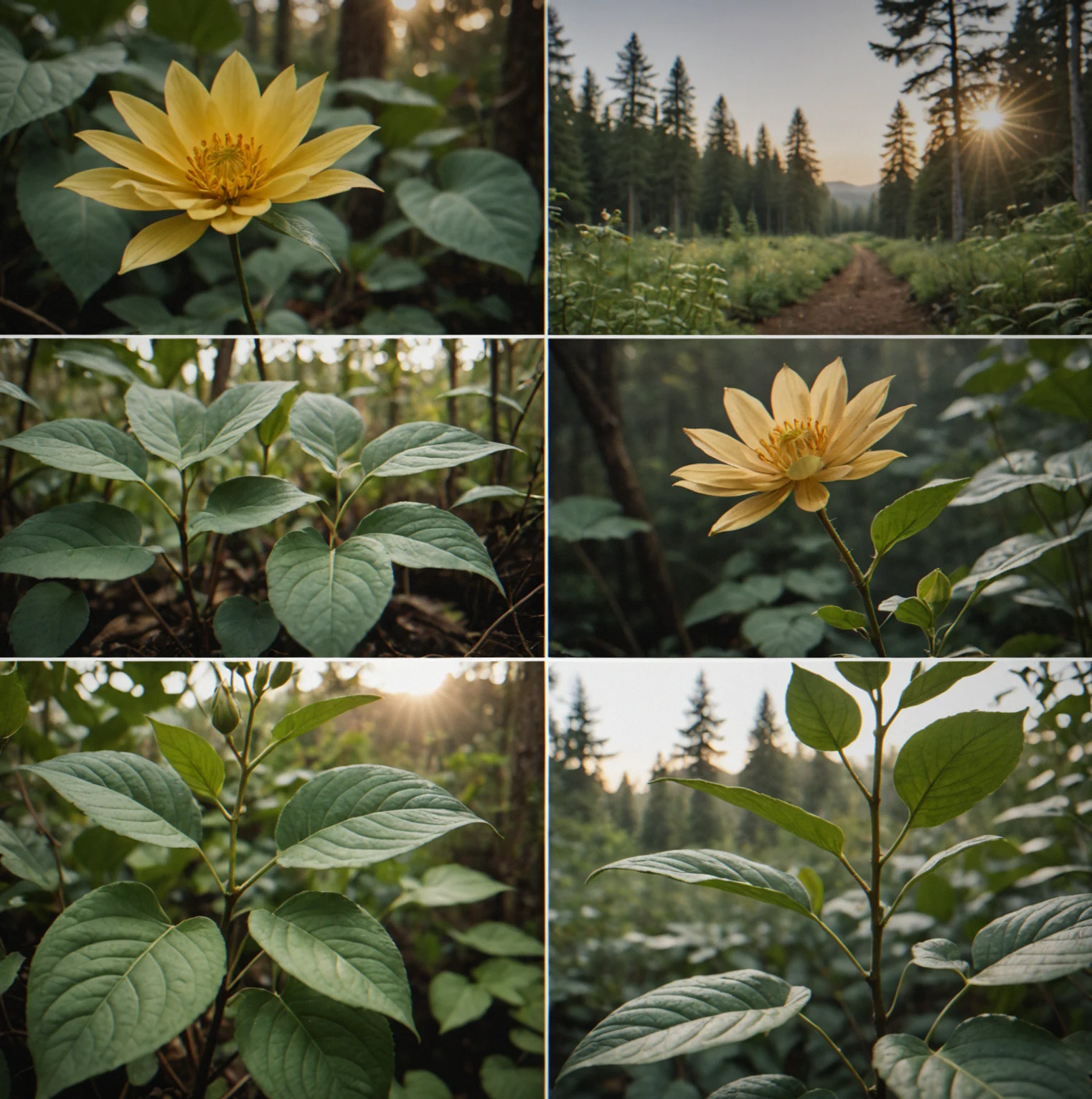
Every environment was built to reward you for actually looking at it. Landscapes, indoor spaces, abstract compositions—there's detail everywhere if you pay attention. And you'll catch things you'd never notice if everything came pre-colored: texture, depth, how light moves through things.
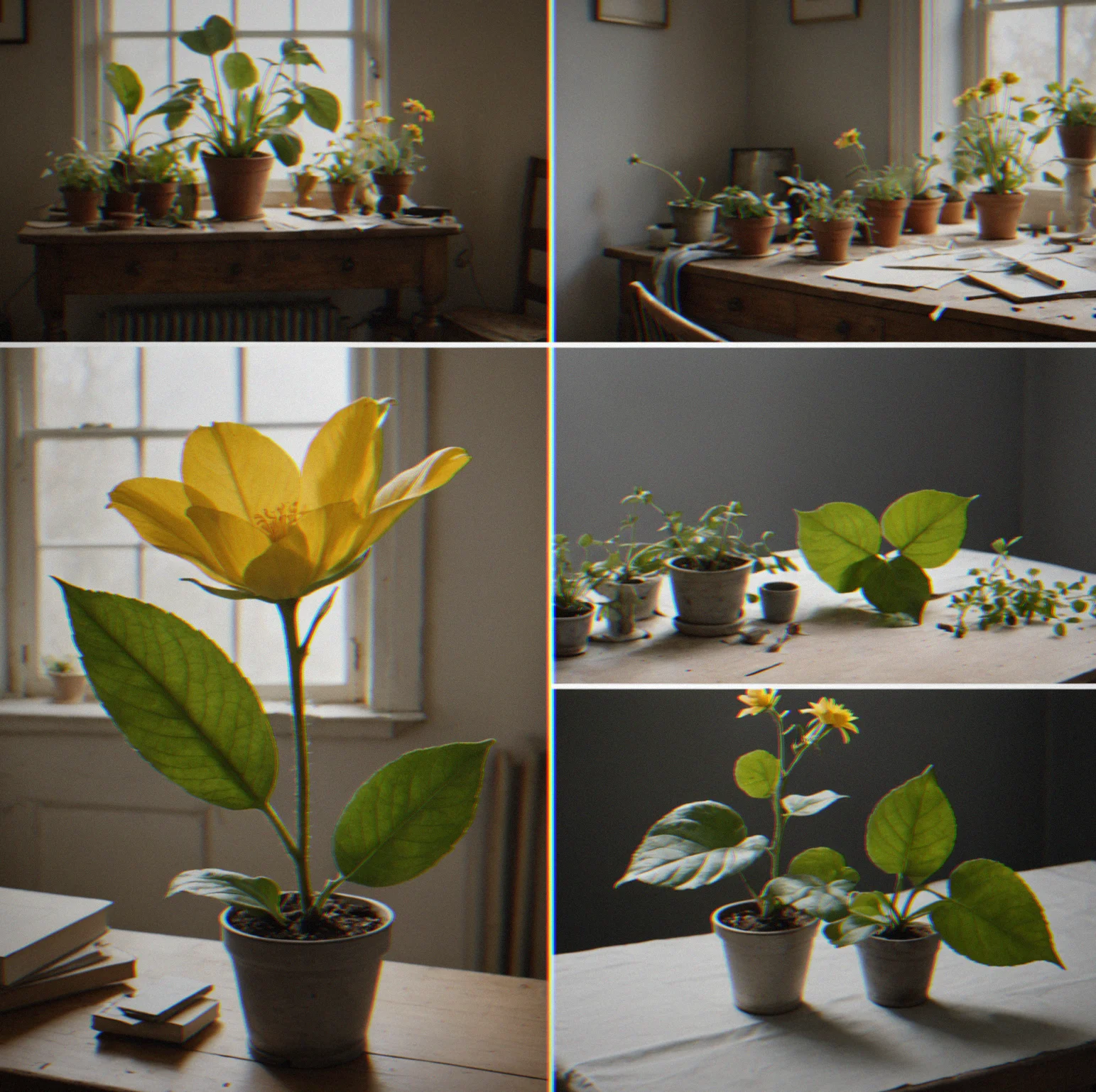
The story lives in the objects, the way things are arranged, the visual details. You're reading it yourself, interpreting it however makes sense to you. There's no voiceover explaining what you're looking at or what it's supposed to mean. The game trusts you to understand the scene on your own terms.
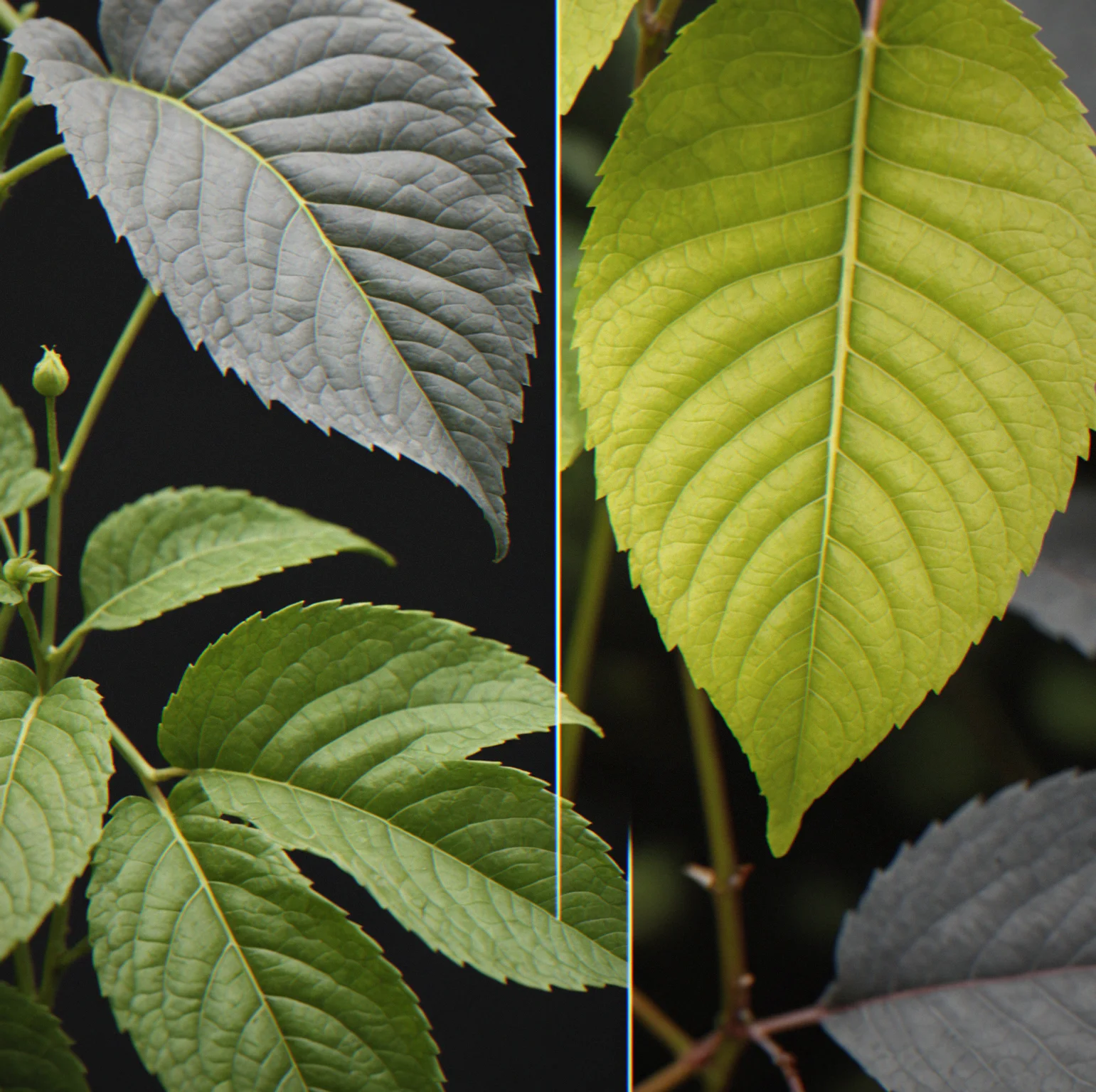
Every scene restores fully. Nothing's hidden behind grinding or stuck behind randomized rewards. You know what you're working toward, and the path is always there. Progress feels real and earned, not manufactured.
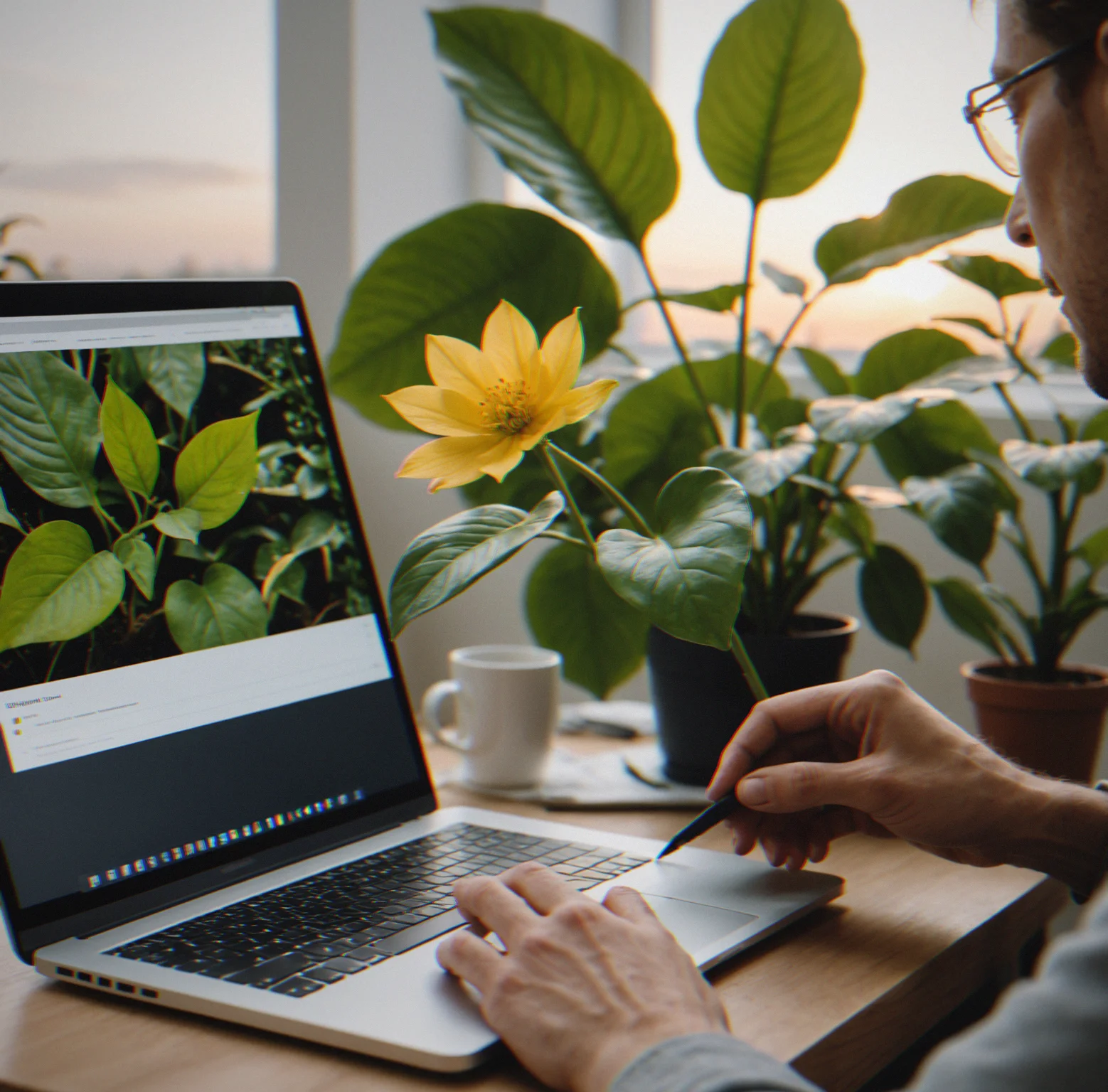
If you're already spending eight hours maanaging people or racing against deadlines, Vividgarden doesn't ask you to do that here. You're not trying to win anything. You're here to step back and watch something respond to gentle, small adjustments you make.
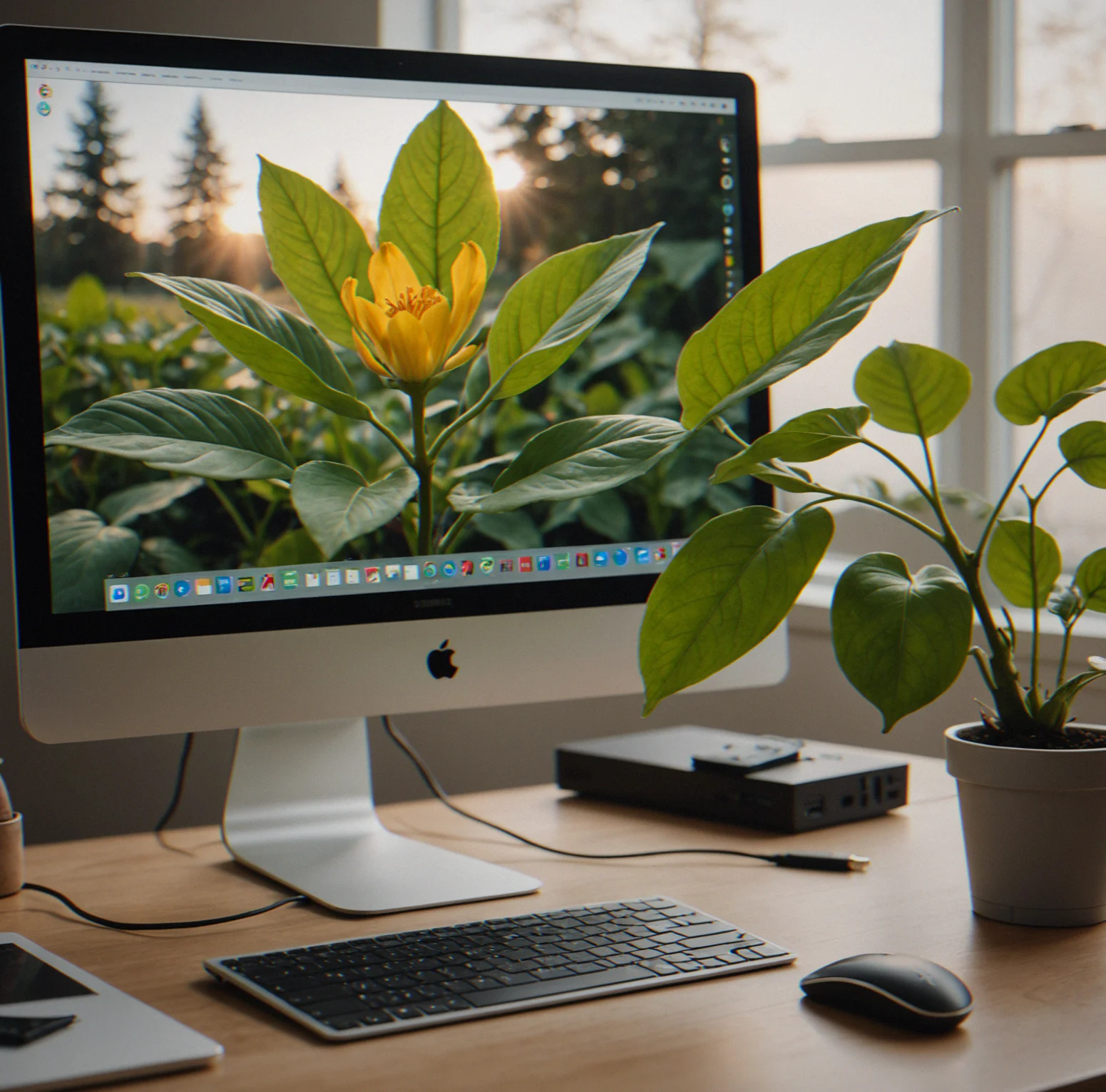
Play from your desk, sprawled on the couch or during a work break. A controller feels slightly more natural for this but mouse and keyboard work fine too. Wherever you need to decompress, you can play.
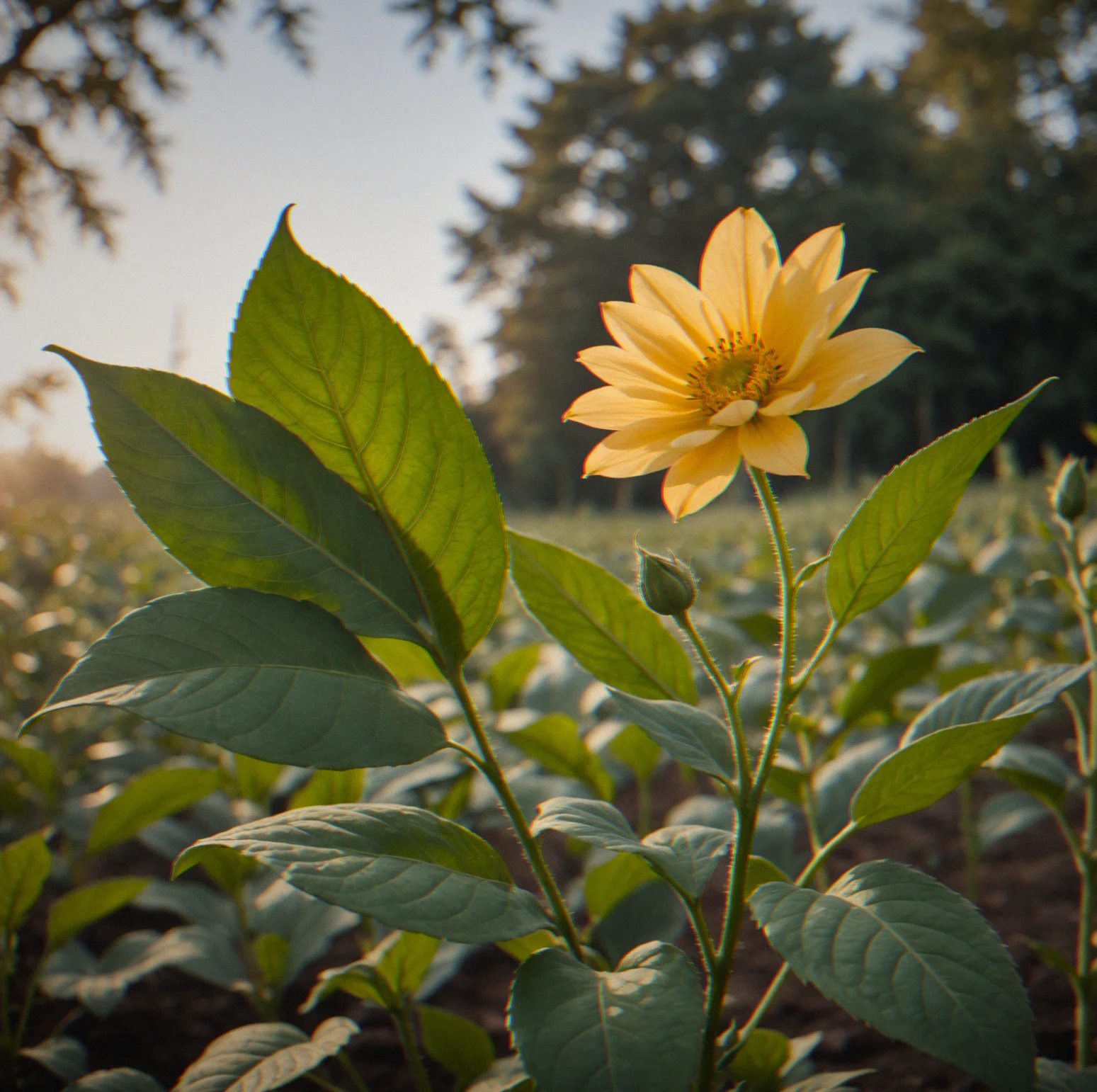
Pay $12.99 once and you're done. No battle pass, no ads cutting into your focus, no hidden purchases popping up later. You get everything the moment you start.
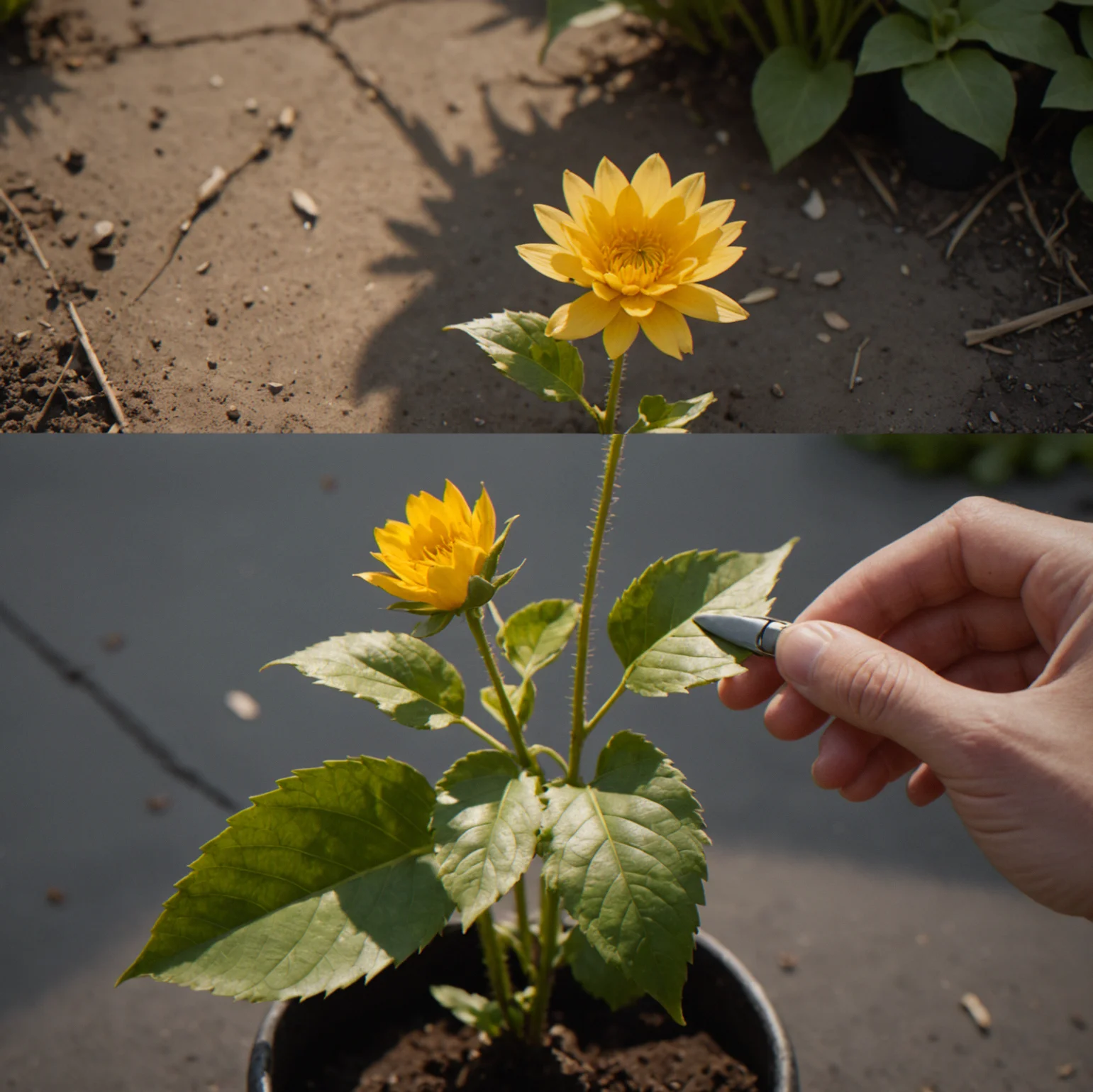
Nothing's popping up asking for your attention. Achievements aren't pestering you. The interface just stays out of the way so you can focus on what matters—watching color come back to the world, one tweak at a time.
What happens when you adjust a color channel in Vividgarden? You're turning up the red, green, or blue across a gray scene as it happens. Move the sliders and the world shifts with you—a meadow pulls out of the gray, wildflowers start showing detail, individual petals come into focus. There's nothing between your hand and what you're seeing. No algorithm rolling dice on whether your input matters. Just straightforward cause and effect. You move the channels, the image wakes up.
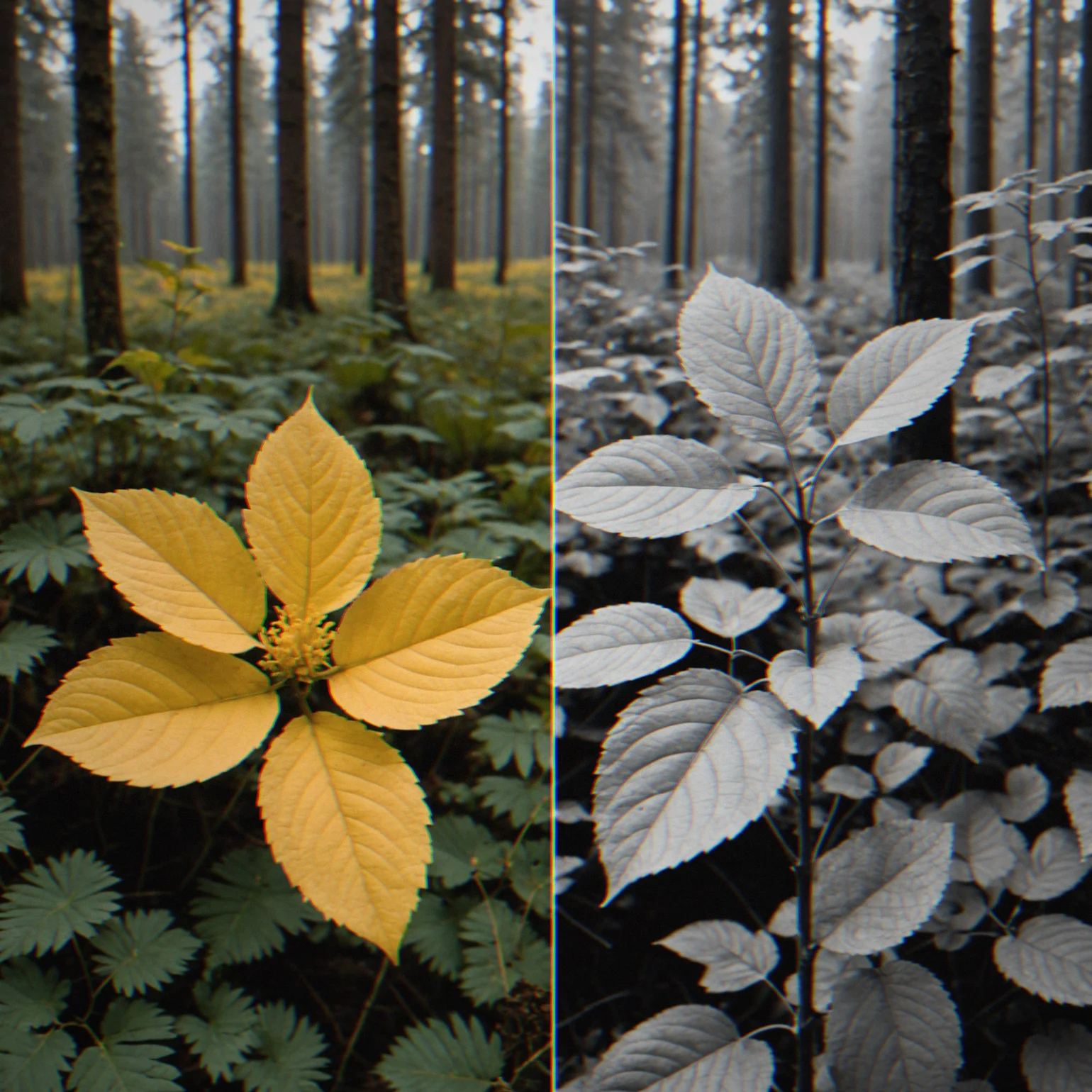
Most puzzle games are about speed or spotting patterns. You win by solving faster than the clock or clearing the board before you're out of moves. Chromatic restoration flips that around. Slowing down is the point. You're looking for the small color shifts that matter, spenidng as much time as you want on a single scene because nothing's pushing you forward. The win isn't hitting a score. It's stepping back and watching something dead come back.
Change the red, green, or blue channel and the scene updates right then. No waiting, no processing time—the world responds to you as you move.
Chromatic restoration is based on how color channels actually work in digital images. You're not following made-up rules—you're restoring color the same way real image editors do it.
Each scene is built with care: textures, light, composition. Restoring it shows you details that would stay invisible in a pre-colored version.
There's no single right answer. How you restore a scene depends on your eye, what you trust, what feels alive to you.
You can fully restore every scene. Progress is steady. Nothing random blocks you, and you don't replay content to move forward.
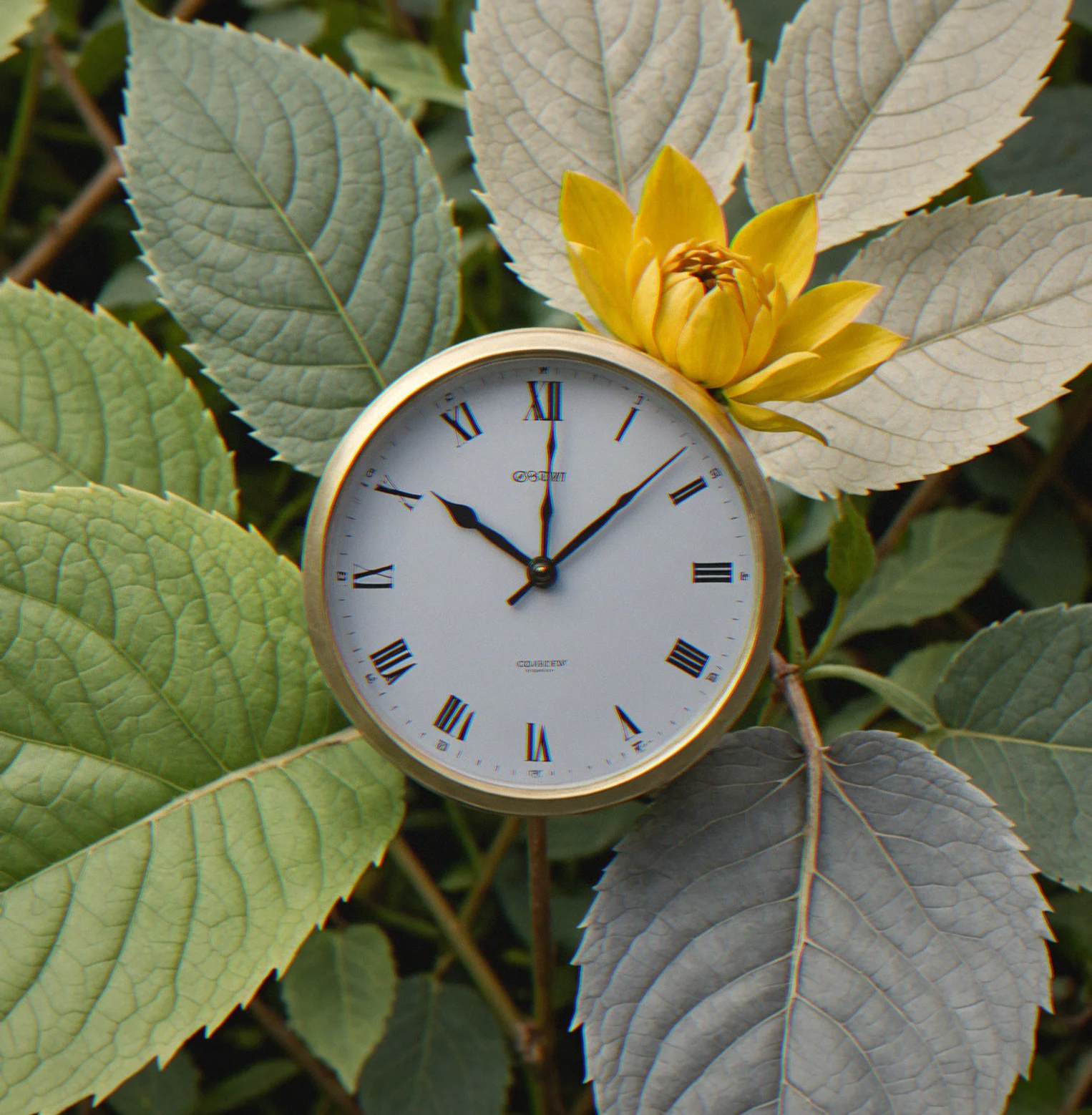
You know that feeling where the clock's ticking and suddenly you're making terrible moves just to finish? That doesn't happen here. Whether it's five minutes or fifty, you take what the moment needs. No pressure, no countdown stress. Just you and the colors.
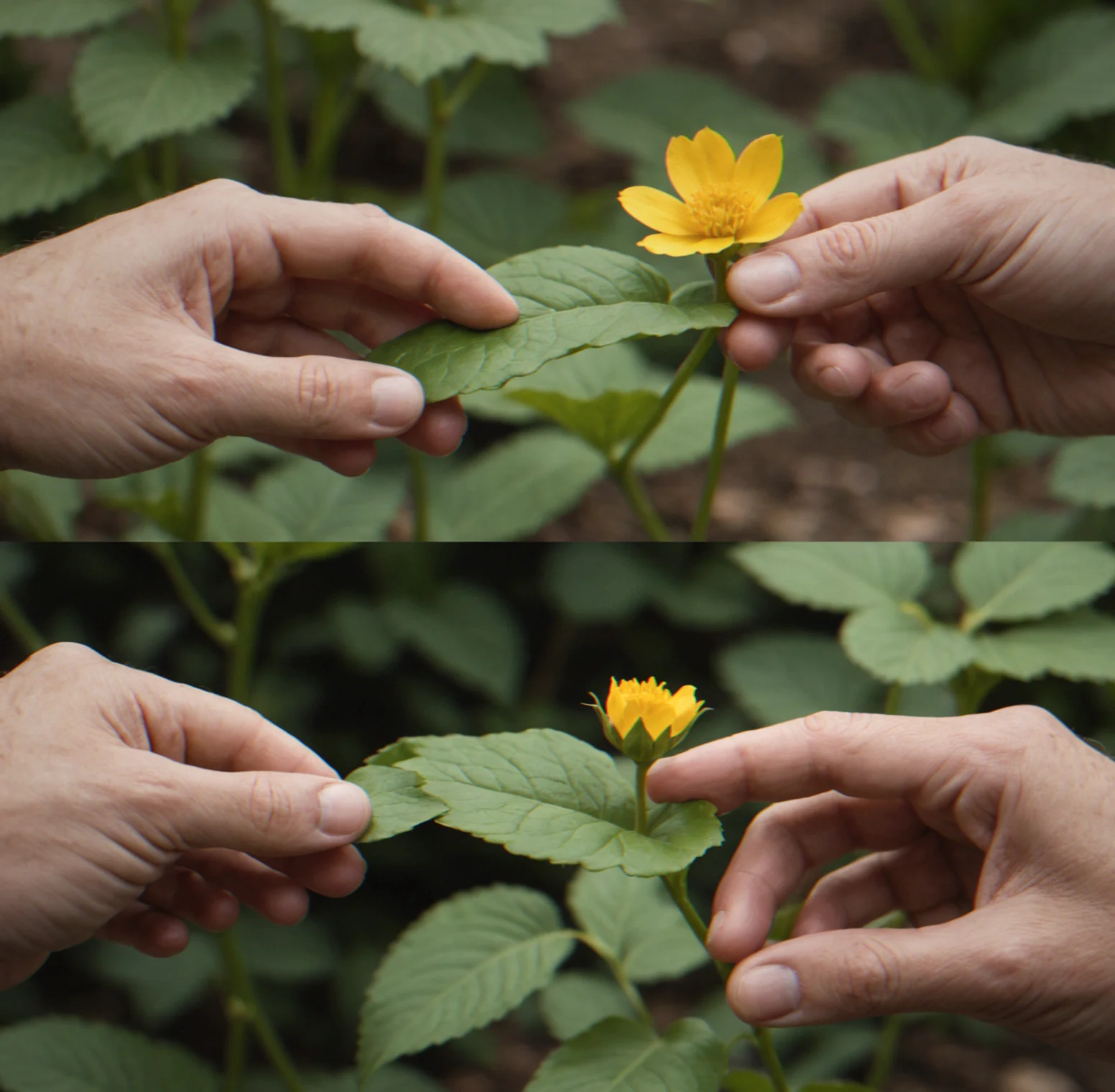
Some people worry chromatic restoration gets tedious after a while. But if you're the type who finds peace in repetition, you'll get it. Adjusting channels. Watching what happens. Adjusting again. The pattern itself becomes the point. Flow state without the anxiety.
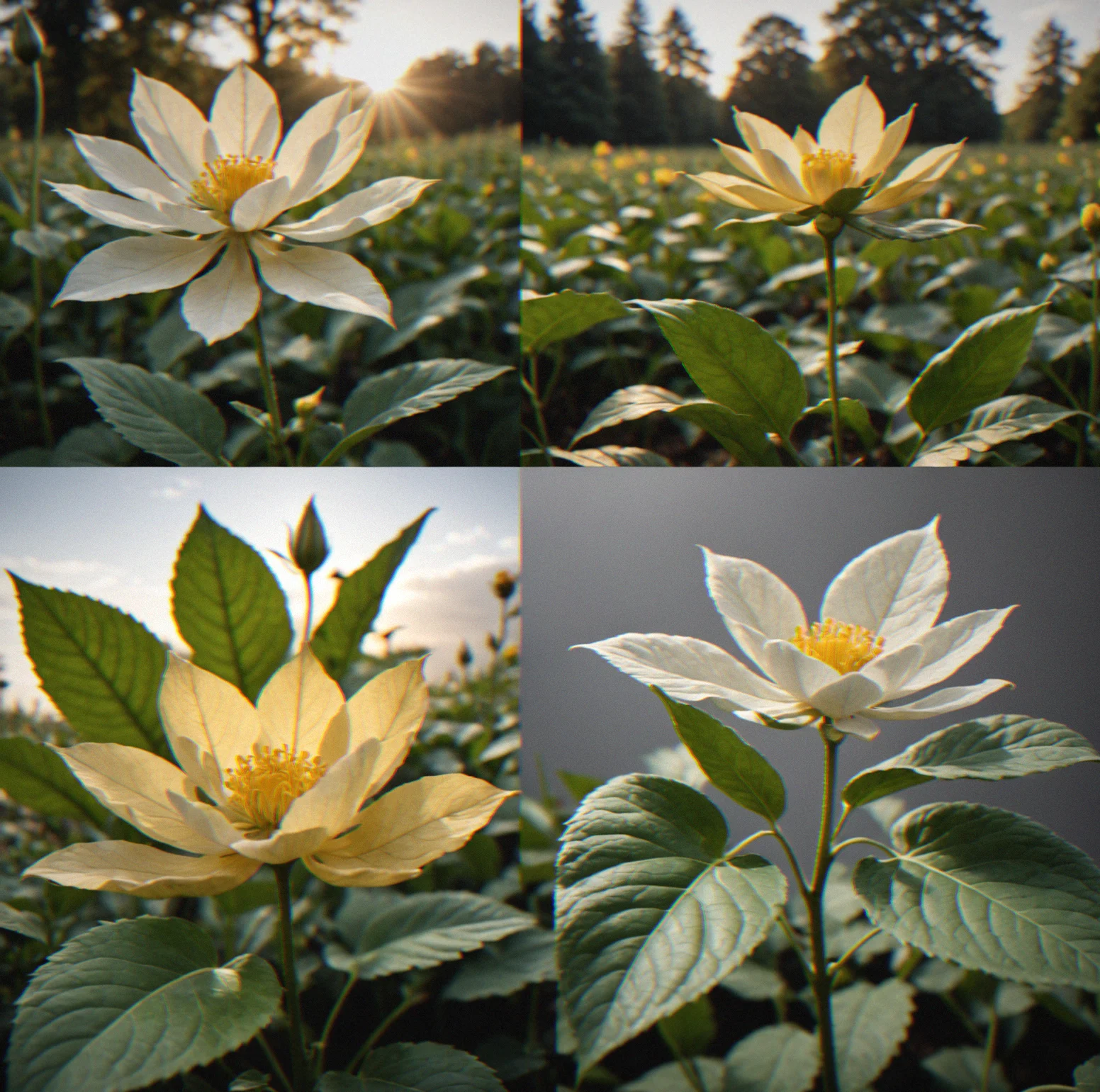
Sixty different environments, all built with real visual depth and narrative intent. You're not just solving a puzzle—you're uncovering something. Objects, compositions, little details that suddenly make sense when the color comes back. The level design actually respects the time you spend.

Twelve ninety-nine. That's all it costs. No battle pass sneaking in later. No cosmetics sending you notifications. No ads breaking up your scenes. You buy it once and you get everything—all 60 environments, nothing locked away.
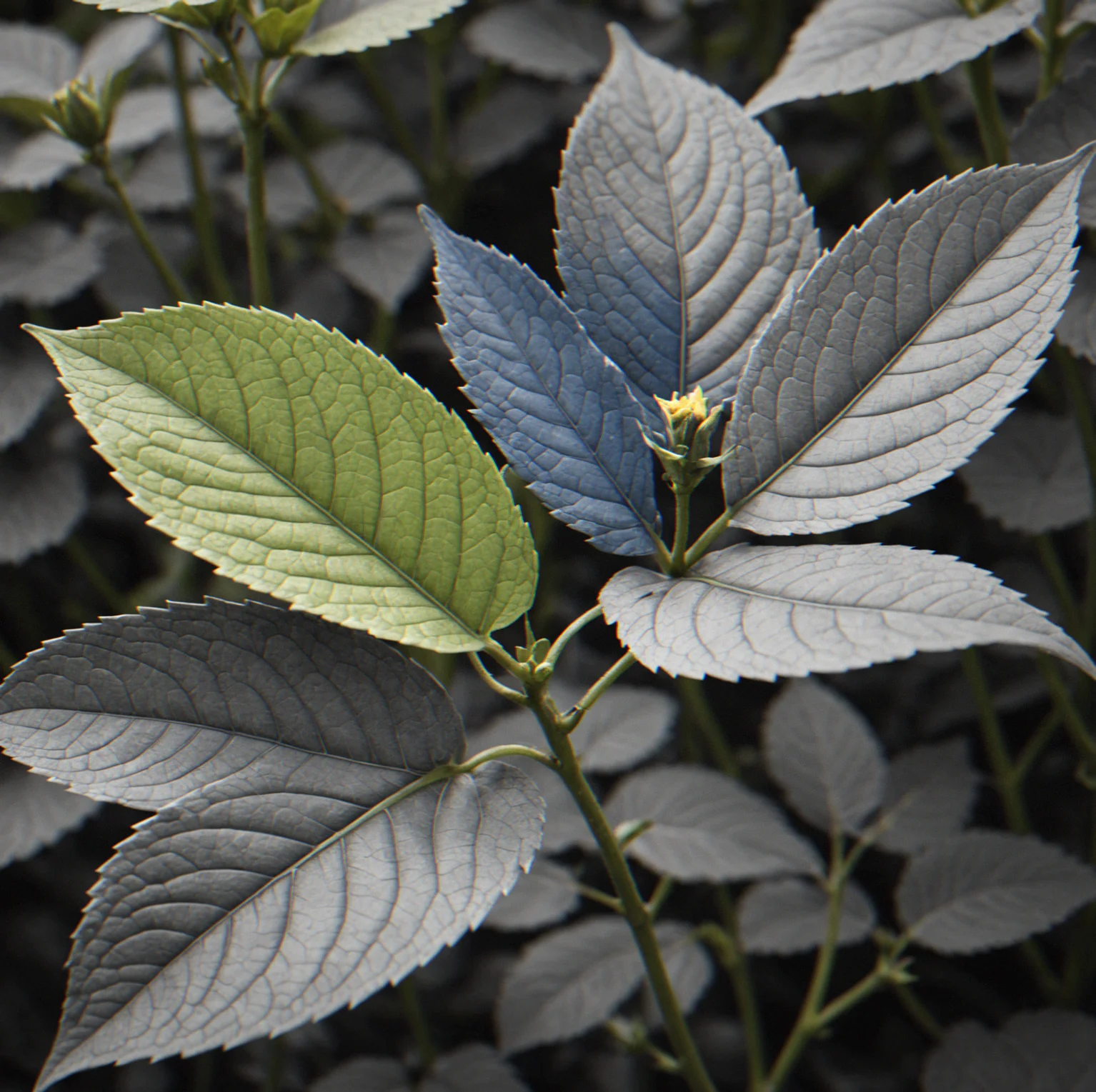
Vividgarden is 60 puzzles. Each one is a desaturated environment—landscapes, interiors, abstract compositions. You adjust red, green and blue channels in real-time to restore color. That's the whole thing. No randomness, no hidden rules, no trick. The scene responds to your input immediately. Finish one and move to the next. Most people get through the full game somewhere between 8 to 15 hours, though nobody's keeping score—you'll spend as long as you want on each scene because nothing's pushing you forward.

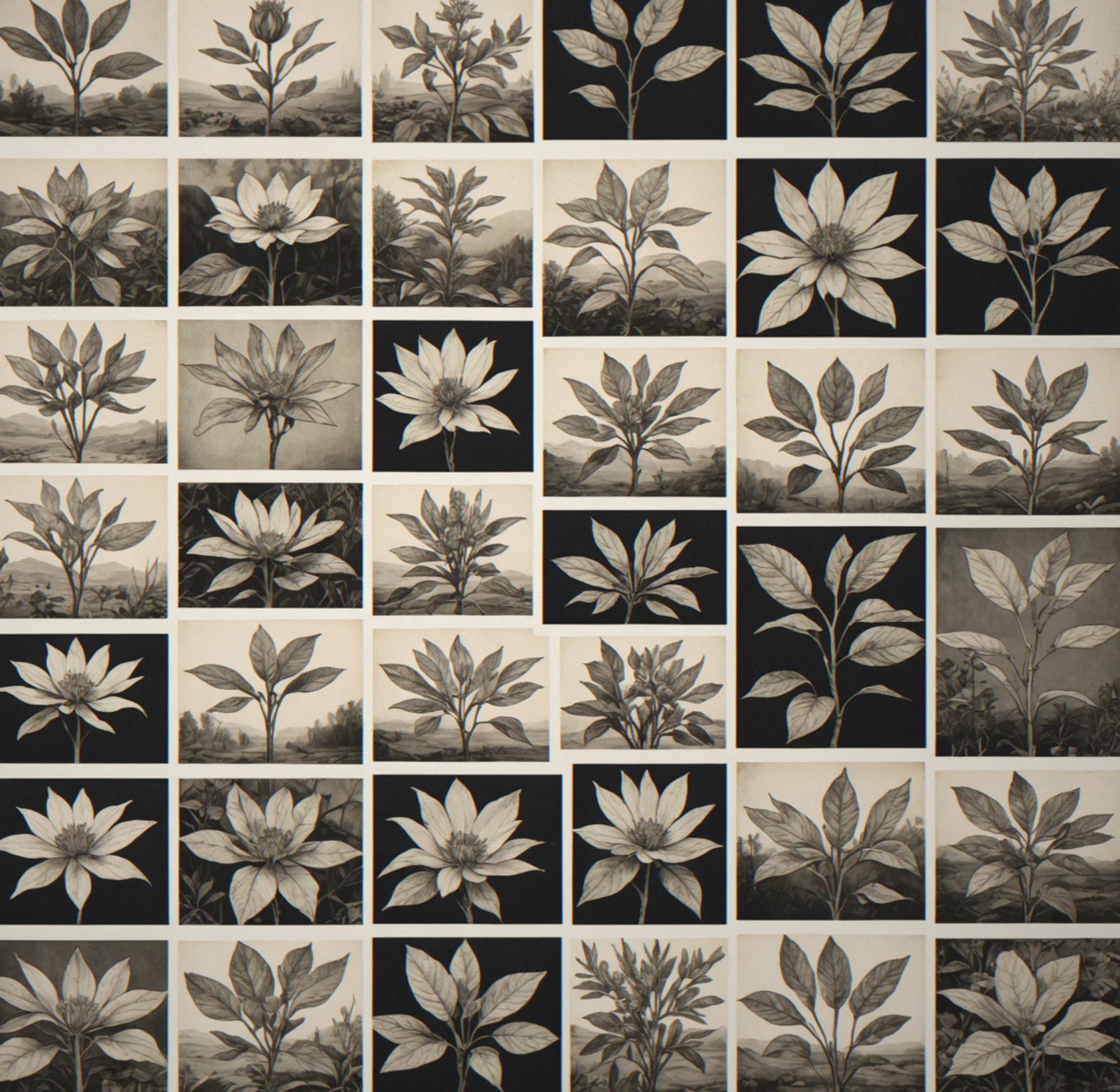
There's no pressure to solve faster or collect points. The goal is to slow down and watch something dead come alive again. Burned-out professionals get it right away—you spend time on something that doesn't demand optimization or speed. Casual players find the same thing: a game that trusts you to know what you need. No notifications pulling you back in. No season pass ticking down. Just work, observation and the satisfaction of finishing.
About sixty environments to bring back to life. Each one's built to reward paying attention and taking your time. You're turning them from gray to full color.

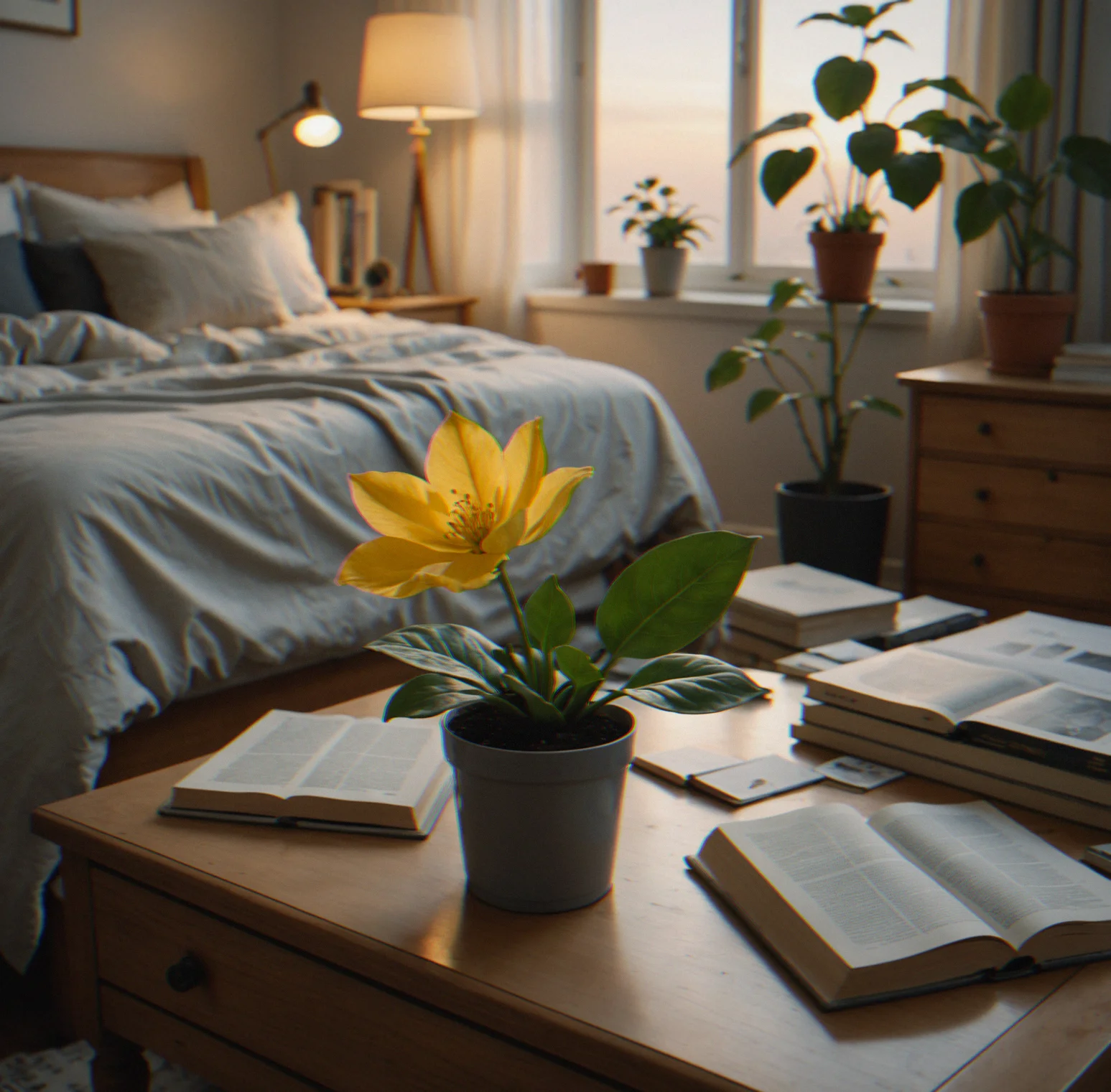
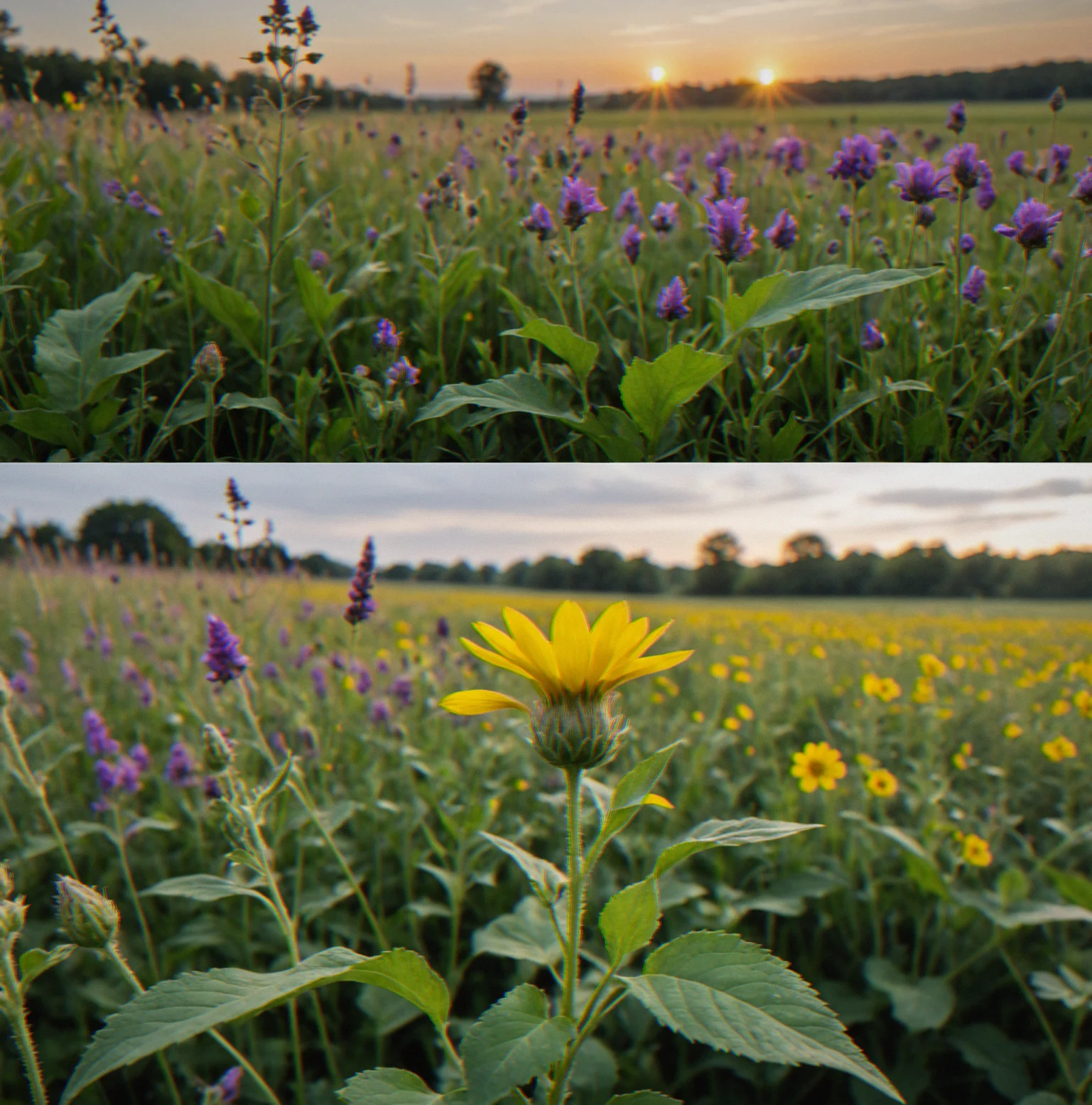

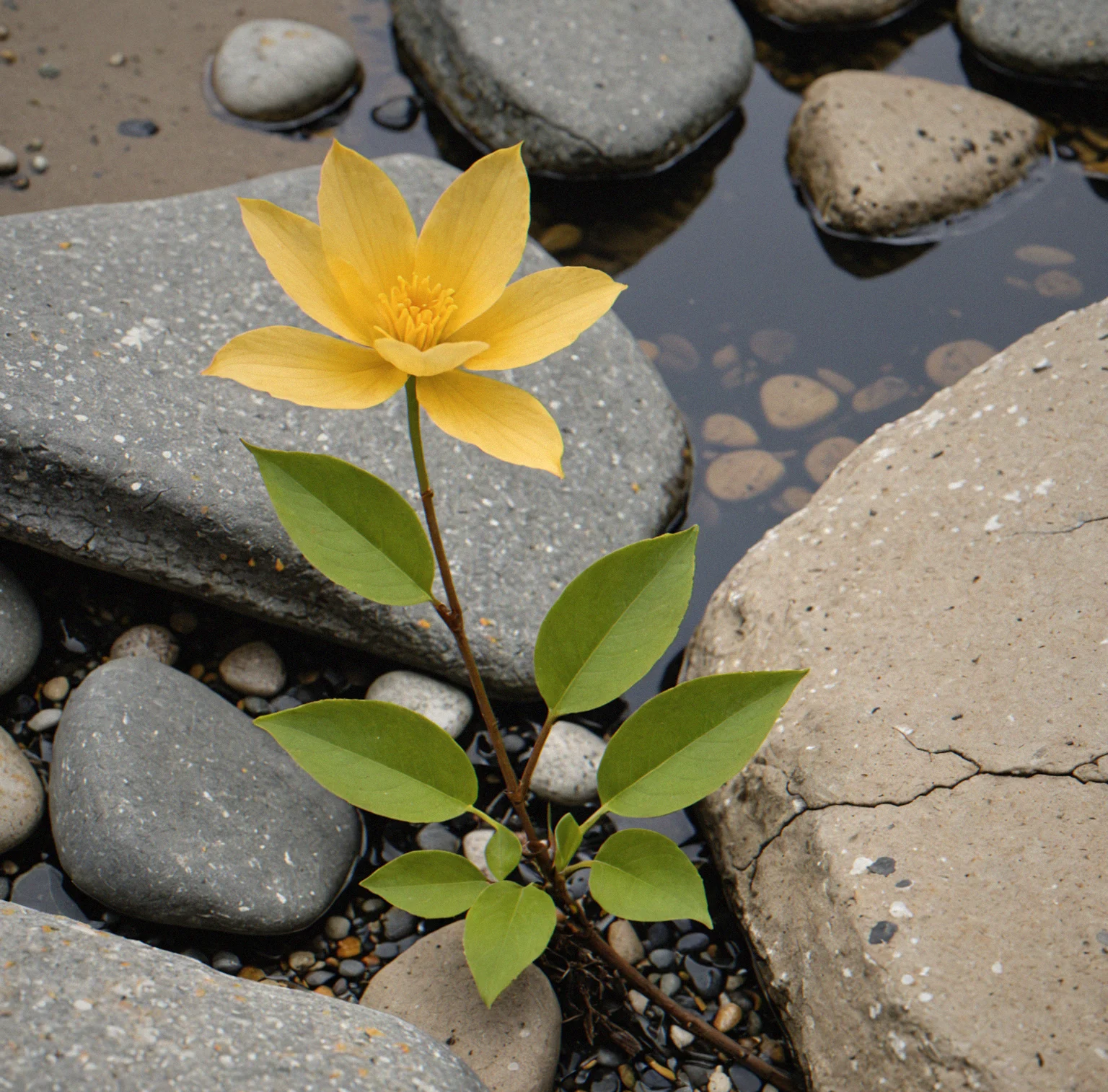

You're adjueting red, green, and blue intensity directly. The scene responds instantly to what you're doing — no cascading animations, no board clearing, just straight cause and effect between your hands and what you see.
Sixty hand-crafted scenes that you can work through in that window, or take your time with if you want to sit with each one for a while. There's no pressure to speedrun, no achievement tied to finishing fast, no reason to rush through anything.
You pay once, thirteen dollars, and that's it. The entire game. No seasonal content disappearing, no cosmetics trying to get you to log in every day, no ads between scenes. Once you close it, it doesn't chase you down.

Details start appearing as you adjust the channels — textures, lighting, composition that you'd completely miss if everything came pre-colored. The work of bringing the scene back teaches you to actually look, and the game gets better the more attention you pay to it.
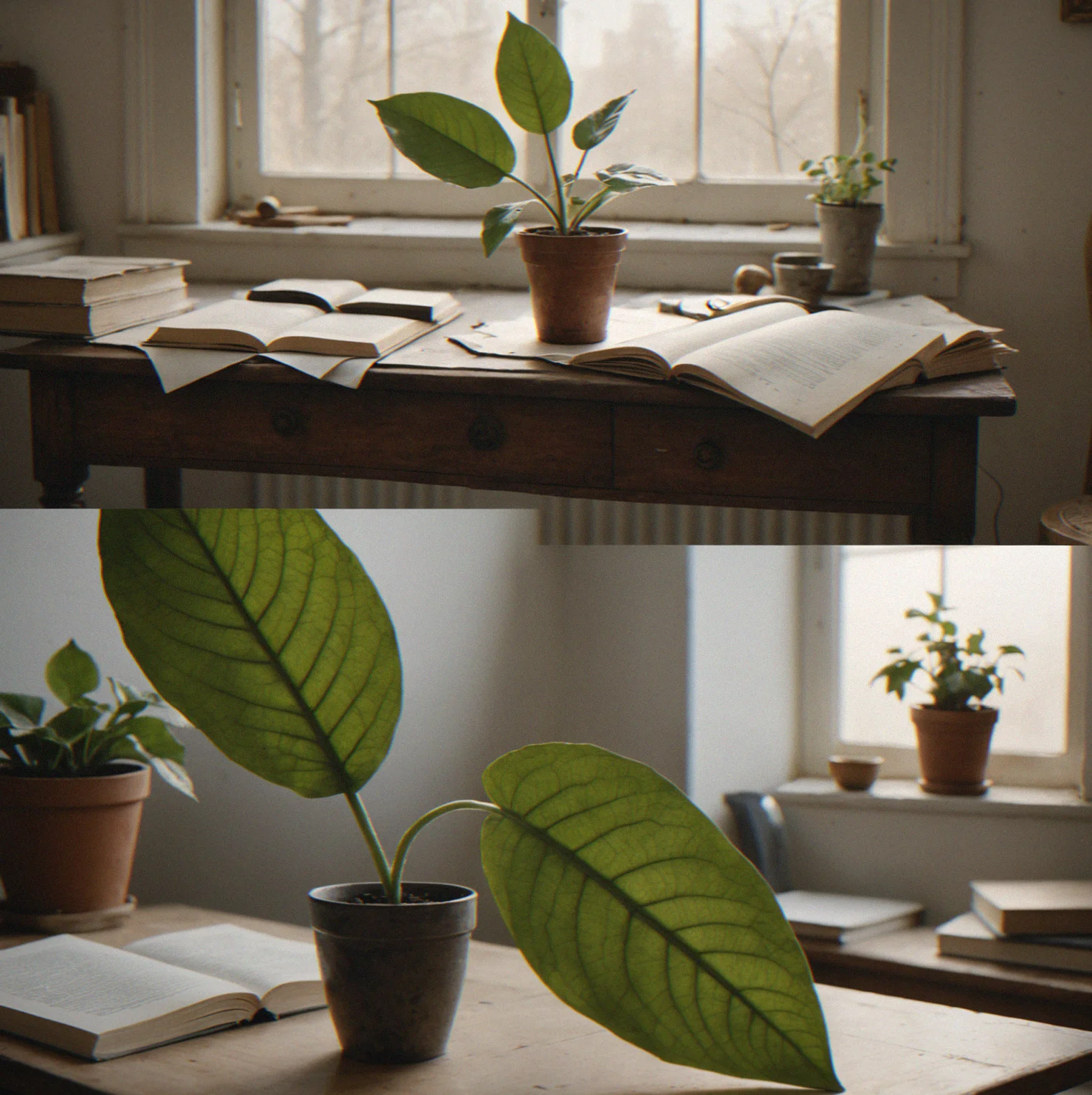
The objects and environments tell stories, but you're the one interpreting them. There's no dialogue explaining what you're looking at, no plot forcing you in one direction. The scenes speak through what they show and how they're arranged, and you find your own meaning in the work of restoring them.
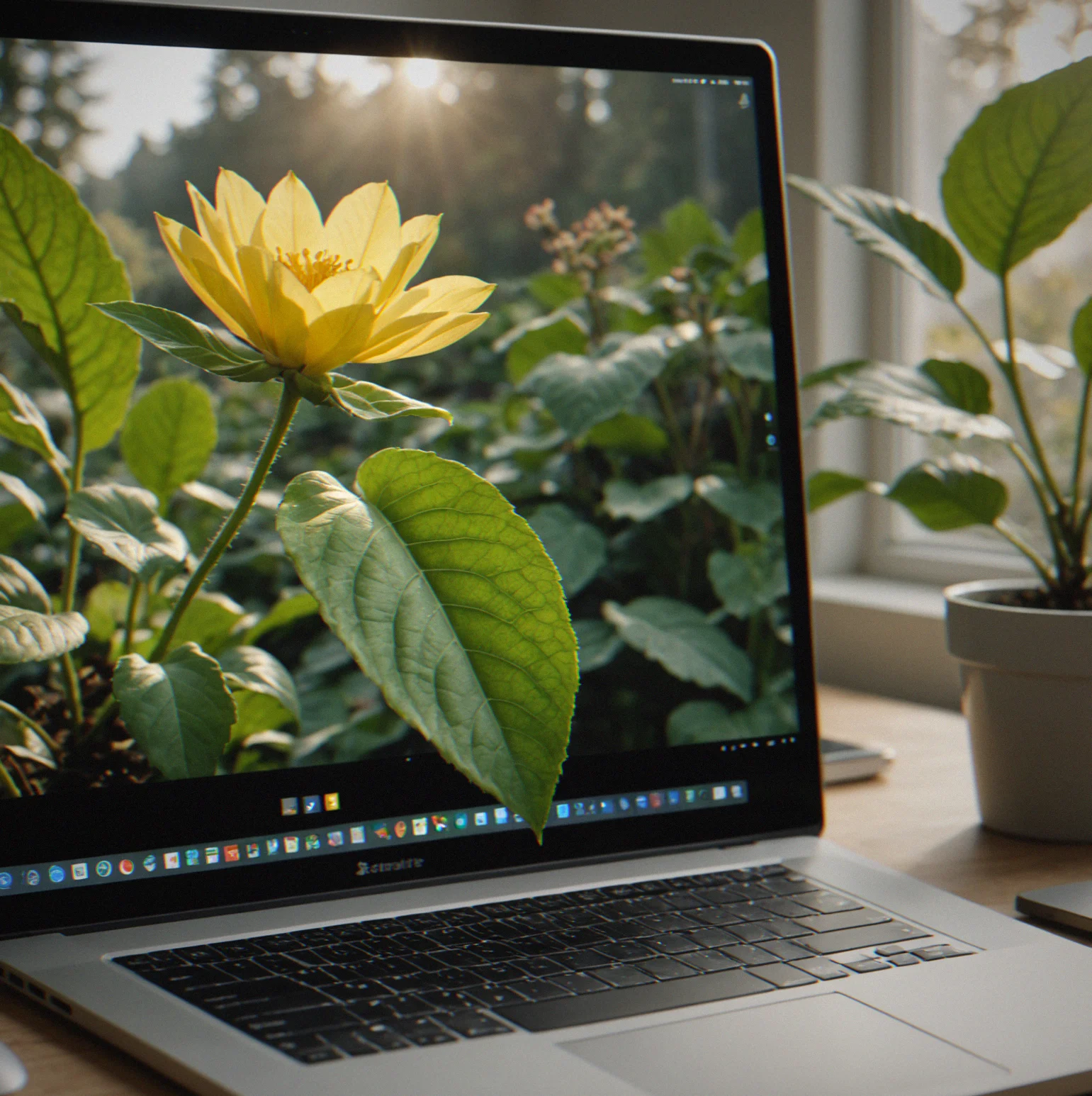
Play it at your desk, on the couch, or during lunch. Controller input feels natural for this kind of mechanic but keyboard and mouse work just fine too. It adapts to however you want to play.
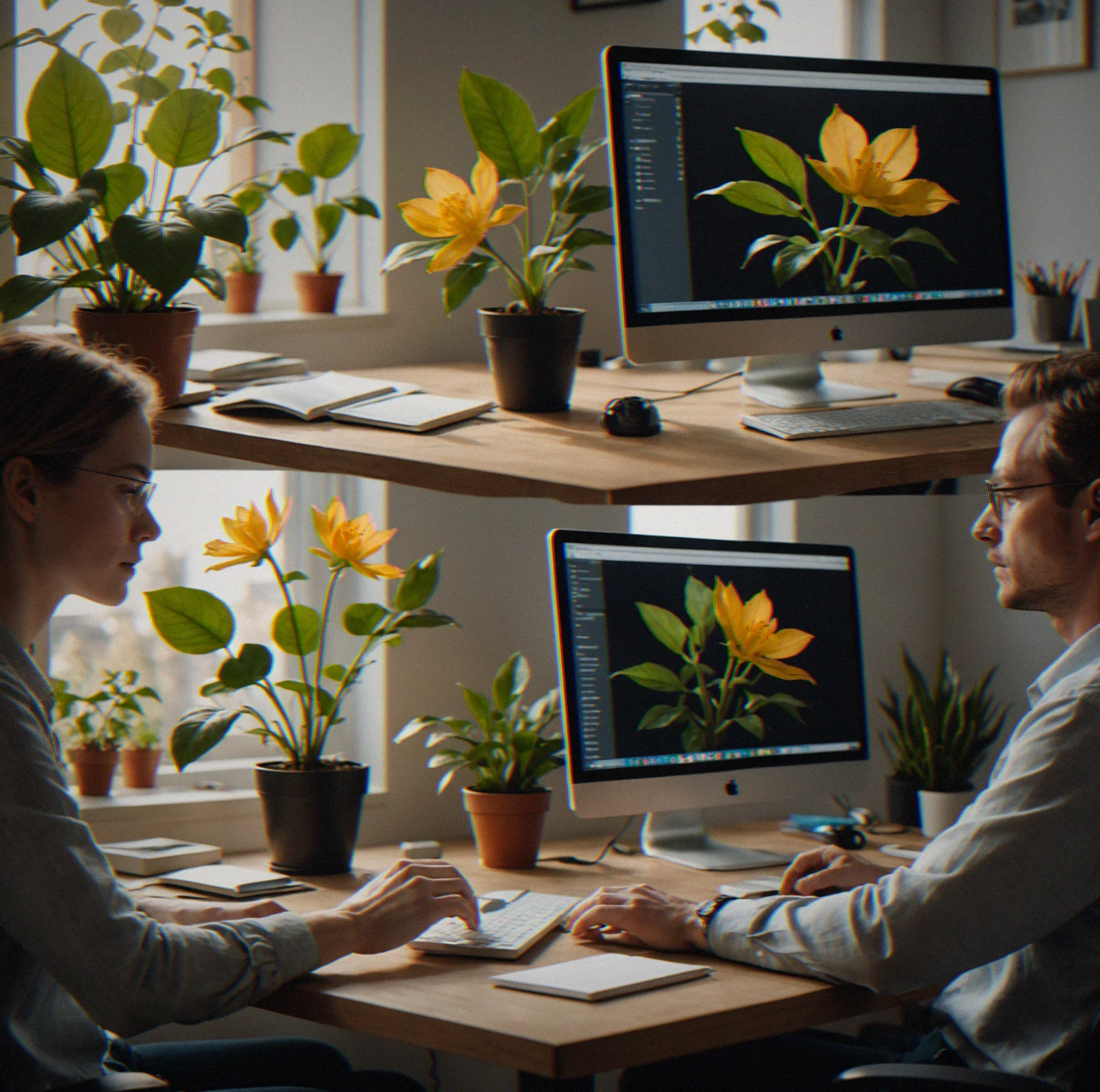
If your days are spent managing deadlines, optimizing workflows, or answering to someone else's agenda — Vividgarden doesn't ask for any of that. There's no win condition hanging over your head, no way to fail, no metrics measuring how well you're doing.
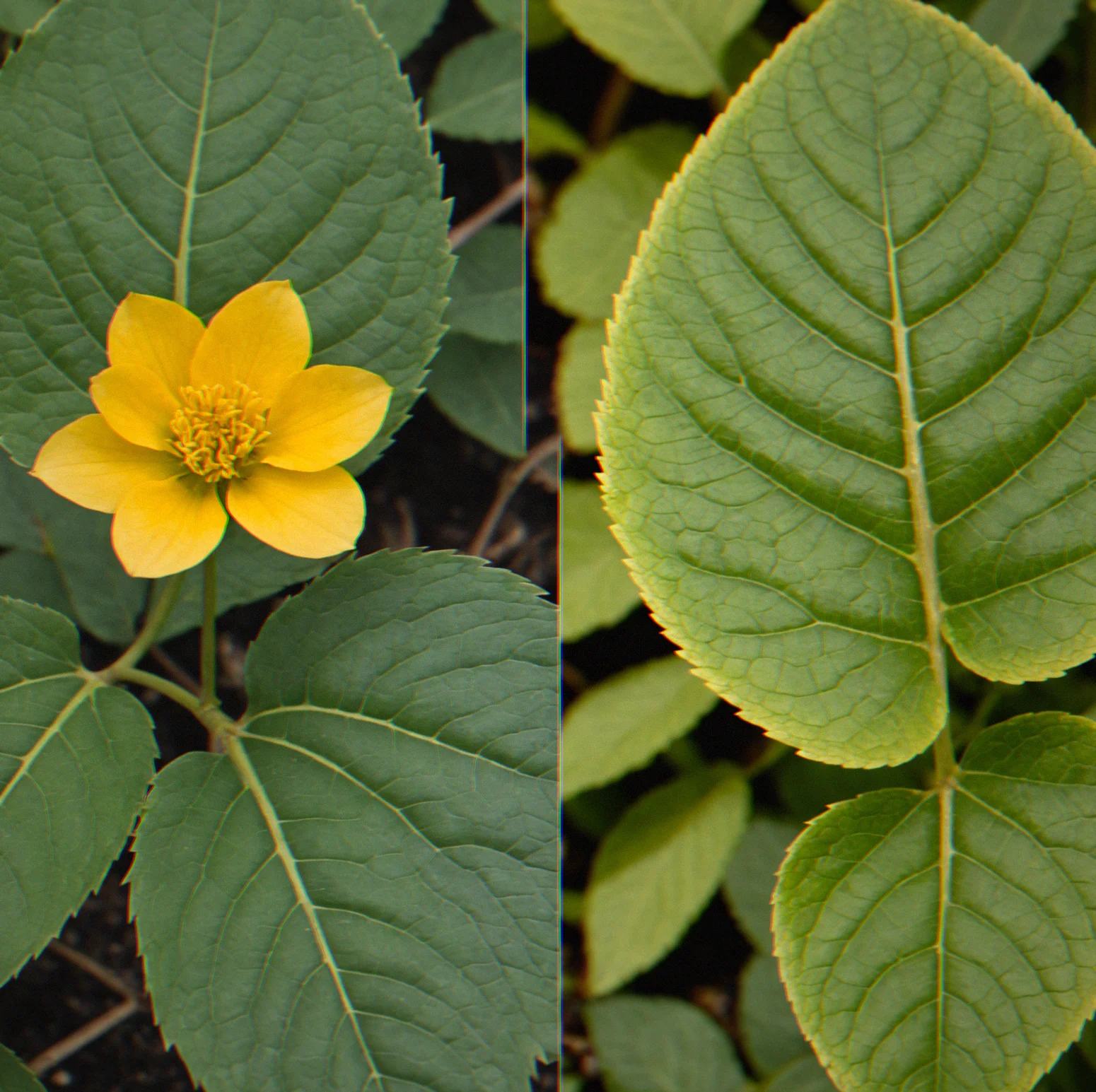
You won't find hidden content locked behind grinding or randomized rewards that gate your progress. Each scene shows you exactly what you're working toward, and the path there is always available. Everything moves forward at a steady, honest pace.
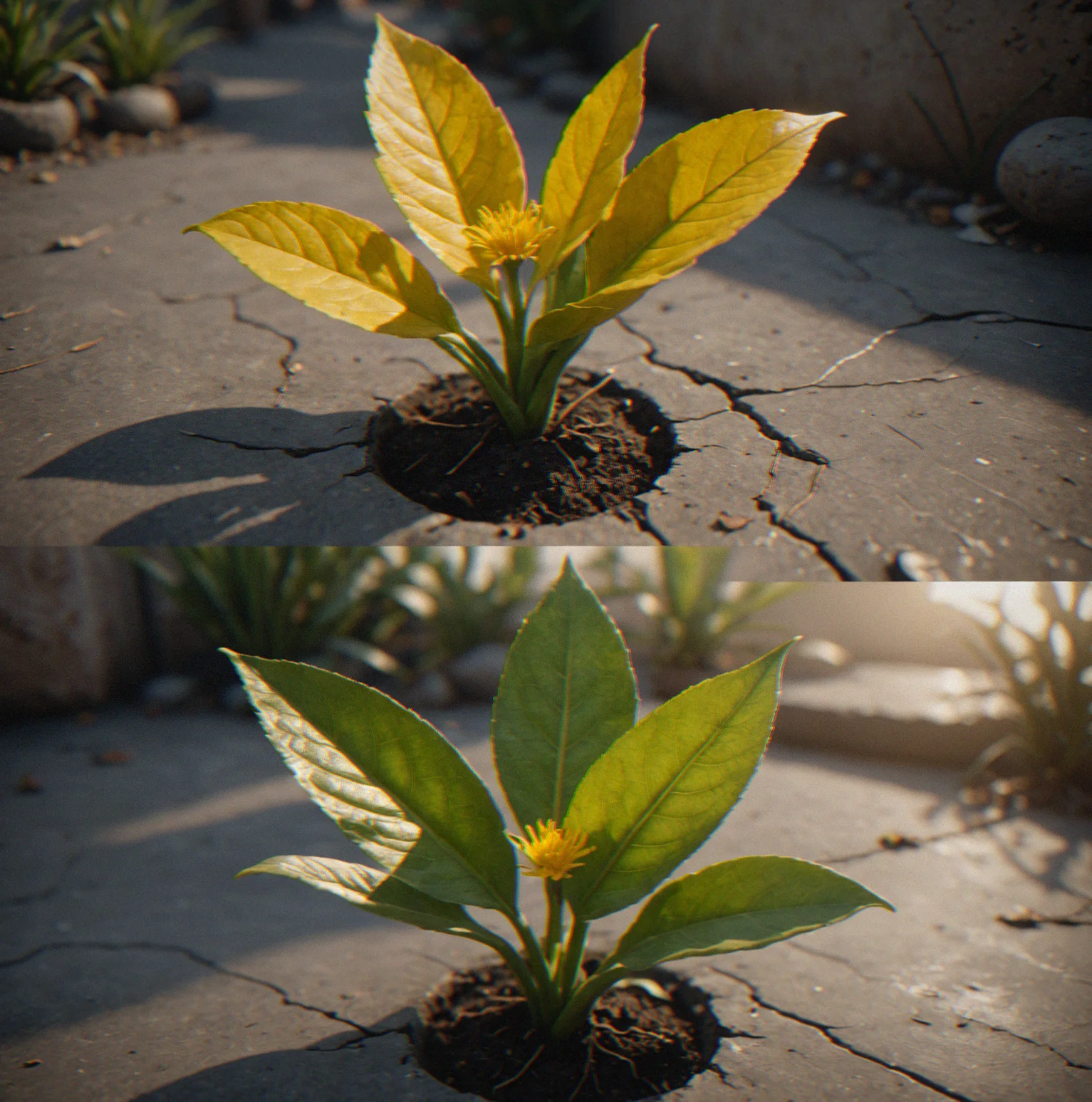
No HUD clutter, no achievement notifications popping up, no progress bars fighting for your attention. The interface stays out of the way so you can concentrate on what matters — adjusting channels and watching the color come back.
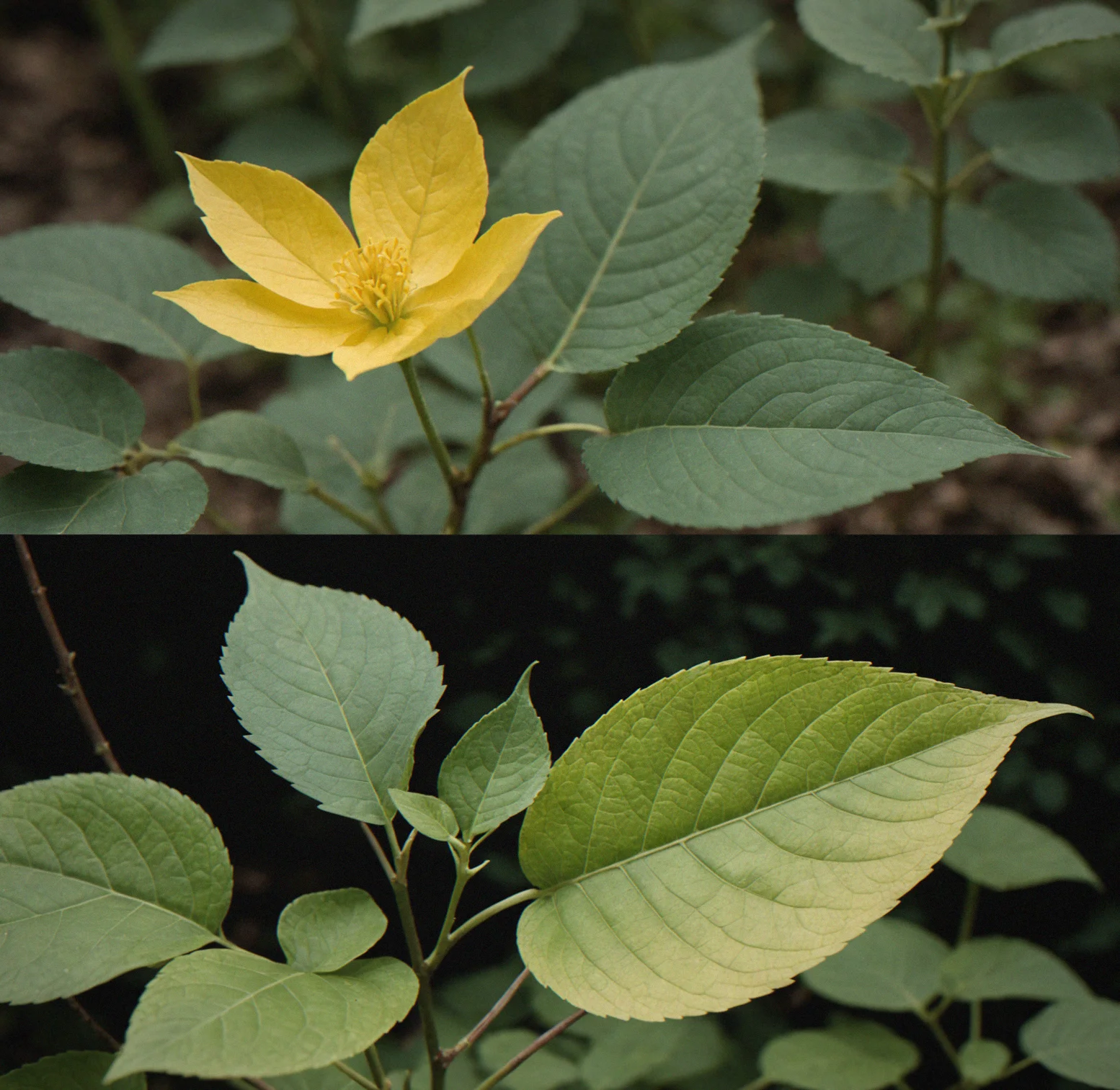
There's something calming about the rhythm of adjusting and observing, but you're also working toward something real — a fully restored scene in front of you. You're not meditating in empty space. You're meditating while actually making something.
The basics, no fluff.
You push red, green and blue channels around to bring color back to washed-out scenes. Each tweak updates the image instantly. What you see is what you're controlling—nothing between you and the result.
Landscapes, indoor spaces, abstract stuff. They're all built with visual depth and something to discover. Most people finish between 8 and 15 hours. Go faster or slower, doesn't matter.
The absence of pressure does something. You sit with each scene as long as you want. Nothing's chasing you, nothing's measuring you, you can't mess it up.
That's it. No battle pass, no seasonal drops, no ads interrupting you between scenes. All 60 environments included. The game doesn't ask for anything else after you've paid.
Textures and lighting and depth show up as you adjust the channels. The point is noticing what's there, taking your time and watching something gray turn into something real. How fast you do it doesn't matter.
Desktop, laptop, handheld. Controller feels right for channel adjustments but keyboard and mouse work fine too. Buy it once and play on any of them.
The short answers.
You're adjusting the red, green, and blue channels independently to bring color back to grayscale images. What you input is what you get—no delays, no random behavior, no hidden mechanics underneath.
Most people finish all 60 scenes somewhere between 8 and 15 hours. Some rush through it. Others spend way more time on particular environments because they're enjoying themselves. Since there's no countdown, your game takes however long feels right.
The story lives in the details of what you're looking at and how things are arranged. No talking. No linear narrative forcing you in one direction. You see what's there, you restore it and you decide what it means.
Windows, Mac and Nintendo Switch all work. A controller feels really natural for tweaking those channels, though keyboard and mouse aren't awkward. Buy it once and you get it everywhere.
Nope. You pay $12.99 for Vividgarden and that's it—you own the whole thing. No seasonal stuff, no cosmetics, no ads, nothing else added later.
Match-three games push you to be fast and spot patterns quickly. Vividgarden wants you to slow down and pay attention. You're not clearing rows or chaisng a score. You're watching something lifeless gradually respond to the changes you're making. That feeling—that's where the reward comes from.
Just what you actually need to know. Nothing dressed up.
Honestly, it depends on you. If you're the type who needs something new every five minutes or you live for competition, then yeah, maybe. But if repetition feels kind of relaxing to you—tweaking a channel, seeing what changes, tweaking again—then that cycle works. Most people seem to make it through all 60 scenes without checking out, though some take breaks in between.
Not really. Match-three games shuffle the board around and let pieces fall and combine. Vividgarden is Different—you're actually adjusting chromatic Channels the way color correction works in real imaging software. You're not playing by arbitrary puzzle rules. You're using actual color principles to fix what's broken.
You've got options. Each scene has multiple paths to the solution, so if one approach isn't clicking, try something else. Take a break and come back fresh—that works surprisingly often. The game gives you visual hints if you want them but there's no skip option. That said, you can't actually fail, so there's no pressure.
Completely. Download it once and it runs on Windows, Mac, or Switch with zero connection needed. No authentication, no servers checking in, no account.
That's up to whatever store you buy from. Steam lets you refund within 14 days if you've played less than 2 hours. Nintendo and the Mac App Store have their own rules. Worth checking the policy before you buy if that's a concern.
We actually read what you send. Just give us a few days to get back to you.
We don't spam you or sell your info.
An actual person is going to read this.
If it's a bug, we prioritize it.
Your feedback actually influences what we build next.
Expect a response in about 3 to 5 days.
Phone number's optional—email is totally fine.